The Challenge
The processed cheese snack market has become more sophisticated: consumers no longer choose just by price or brand, but by specific sensory experience. Meltability, mouth texture, and aftertaste are now key decision factors.
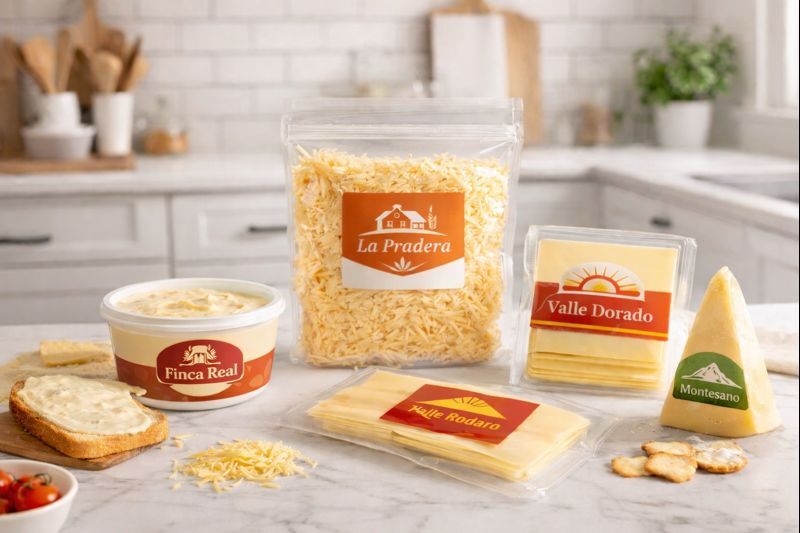
A long-standing processed cheese brand, available in various formats (slices, portions, shredded), noticed a gradual decline in retail sales. The Marketing team suspected that emerging brands were delivering a better sensory experience—but lacked data to confirm or challenge this.
They needed to know precisely whether their product was still competitive, which attributes were at stake, and how to prioritize improvements without compromising production costs.
The Solution
A competitive sensory benchmark was carried out to identify both advantages and weaknesses compared to competitors:
- Blind preference test against three leading brands on shelf
- Panel of frequent consumers in the category
- Evaluation of key attributes: meltability, elasticity, bite texture, aftertaste, dairy intensity
- Attribute-by-attribute visualization using sensory dashboards
- Prioritization of high-impact attributes for improvement
- Insight delivery ready for R&D and reformulation
The Results
The study revealed that the brand’s processed cheese had a slightly brittle melt and a less intense dairy aftertaste than its closest competitors.
This allowed the R&D team to:
- Reformulate focusing on meltability and elasticity, without altering the core flavor
- Validate new versions with the consumer sensory panel
- Relaunch the product line with confidence and stronger data
- Strengthen the brand’s sensory positioning as a reference in the category
Thanks to sensory analysis with Sensesbit, they stopped guessing and made precise, data-driven decisions to regain relevance in an increasingly competitive shelf.