
The Challenge
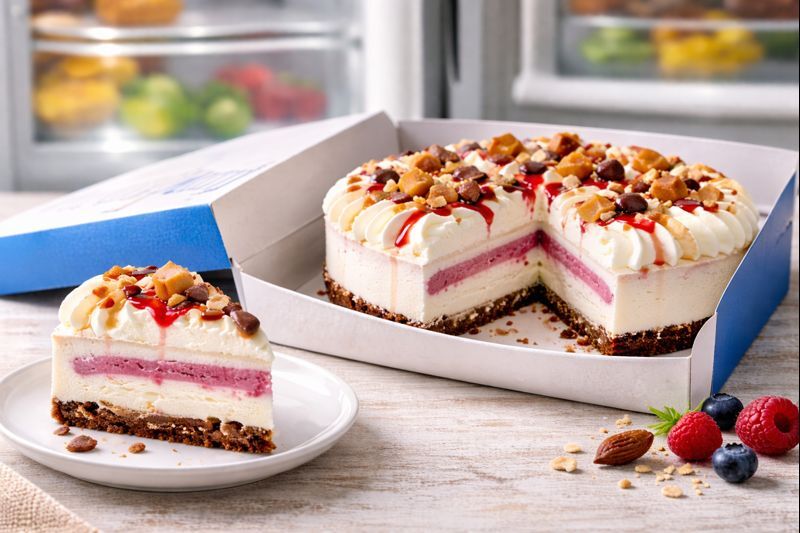
In frozen desserts like ice cream cakes, the impact of freezing goes beyond texture: it can also alter aroma perception, flavor intensity, and aftertaste.
In this case, a company specializing in flavors and functional solutions for the sweet food industry was developing a new range of flavour pastes or pastaromas for premium frozen cakes: bourbon vanilla, wild raspberry, salted caramel...
While the formulas performed well in R&D, the team noticed that after freezing — especially once thawed at home — some flavor profiles lost intensity or changed on the palate.
They needed to understand precisely:
-
Which flavour pastes showed the highest sensory stability after long-term freezing
-
What was the real consumer impact compared to freshly made product
-
Whether reformulation was necessary or simple dosage adjustment would suffice
The Solution
A structured comparative protocol was implemented:
- Standardized preparation of frozen cakes using each flavour paste.
- Blind testing with consumers at two stages: post-production and after 4 weeks frozen
- Multi-attribute sensory evaluation: aromatic intensity, mouthfeel, aftertaste, flavor authenticity
- Comparative dashboards using Sensesbit to visualise results by attribute and storage condition
- Identification of flavour paste most resilient to thermal stress
The Results
The analysis confirmed that some profiles — like raspberry and vanilla — showed a significant sensory drop after freezing, while others (salted caramel, coffee, nuts) retained greater intensity and roundness on the palate.
This enabled the team to:
- Prioritize flavour pastes with the best sensory stability without overdosing
- Avoid unnecessary reformulations by identifying when adjustments were truly needed
- Advise B2B clients on which sensory profiles perform best in frozen desserts
- Optimize technical development with objective data and fewer testing cycles
With sensory analysis as an ally, cold was no longer the enemy of flavor — it became a design criterion for products that perform in any condition.