

The Callenge
In the cosmetics sector, sensory attributes such as texture upon application, absorption speed, and residual scent are decisive for consumer acceptance. An effective formula is not enough — the experience must be pleasurable from the very first use.
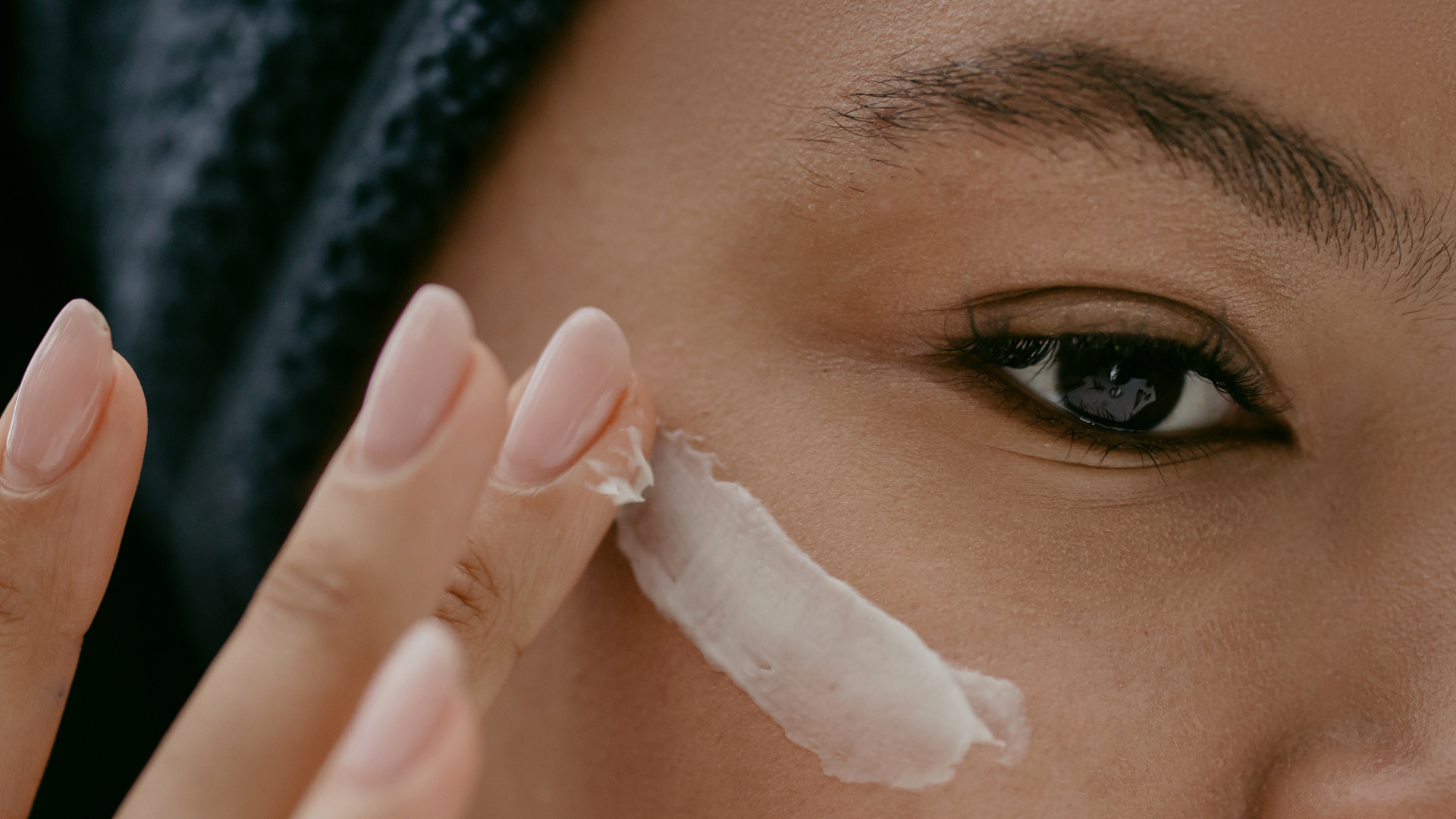
A development team aimed to validate whether the new formulation of their facial cream truly met consumers’ sensory expectations, particularly regarding fragrance and skin feel. They needed to understand which version generated greater liking, lower tactile rejection, and higher purchase intent. The goal was clear: optimize the formula before launch using real sensory data.
The Solution
Recommended by a partner in the cosmetics industry, the R&D and marketing teams discovered Sensesbit and implemented a structured sensory acceptance study that enabled them to:
- Evaluate different versions of the cream through blind tests, analyzing attributes such as thickness, absorption, skin finish, and fragrance.
- Measure the complete sensory experience, from opening the package to post-application sensations.
- Collect spontaneous consumer feedback on positive and negative sensations.
- Access comparable results, filtered by consumer profile and visualized in real time.
- Integrate metrics such as purchase intent and willingness to pay based on perceived sensations.