The Challenge
In the nutrition industry, technical optimization doesn't always translate into better perception.
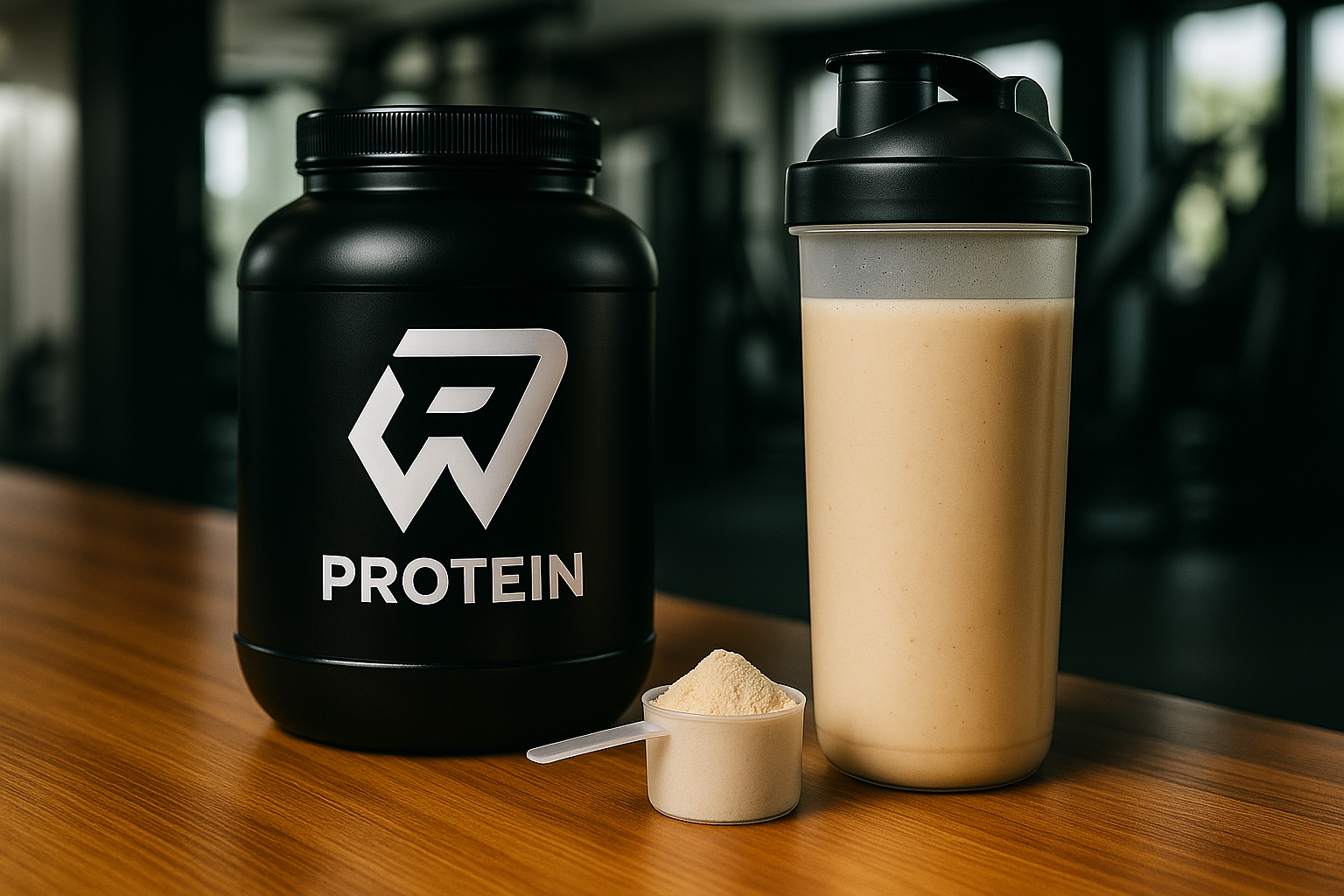
This brand reformulated its flagship shake for improved solubility, lower calorie load and a new protein blend. Technically, it was a clear improvement.
However, the product team started receiving mixed feedback about the “new taste.” Some consumers noticed differences in sweetness, mouthfeel or aftertaste. But the team lacked concrete data to assess whether the perception had shifted significantly.
They needed to:
-
Objectively compare old vs. new formula
-
Detect altered sensory attributes (sweetness, texture, aftertaste)
-
Avoid a full new reformulation without data
-
Make agile decisions based on real feedback, not subjective surveys
-
Protect customer loyalty while keeping technical progress
The Solution
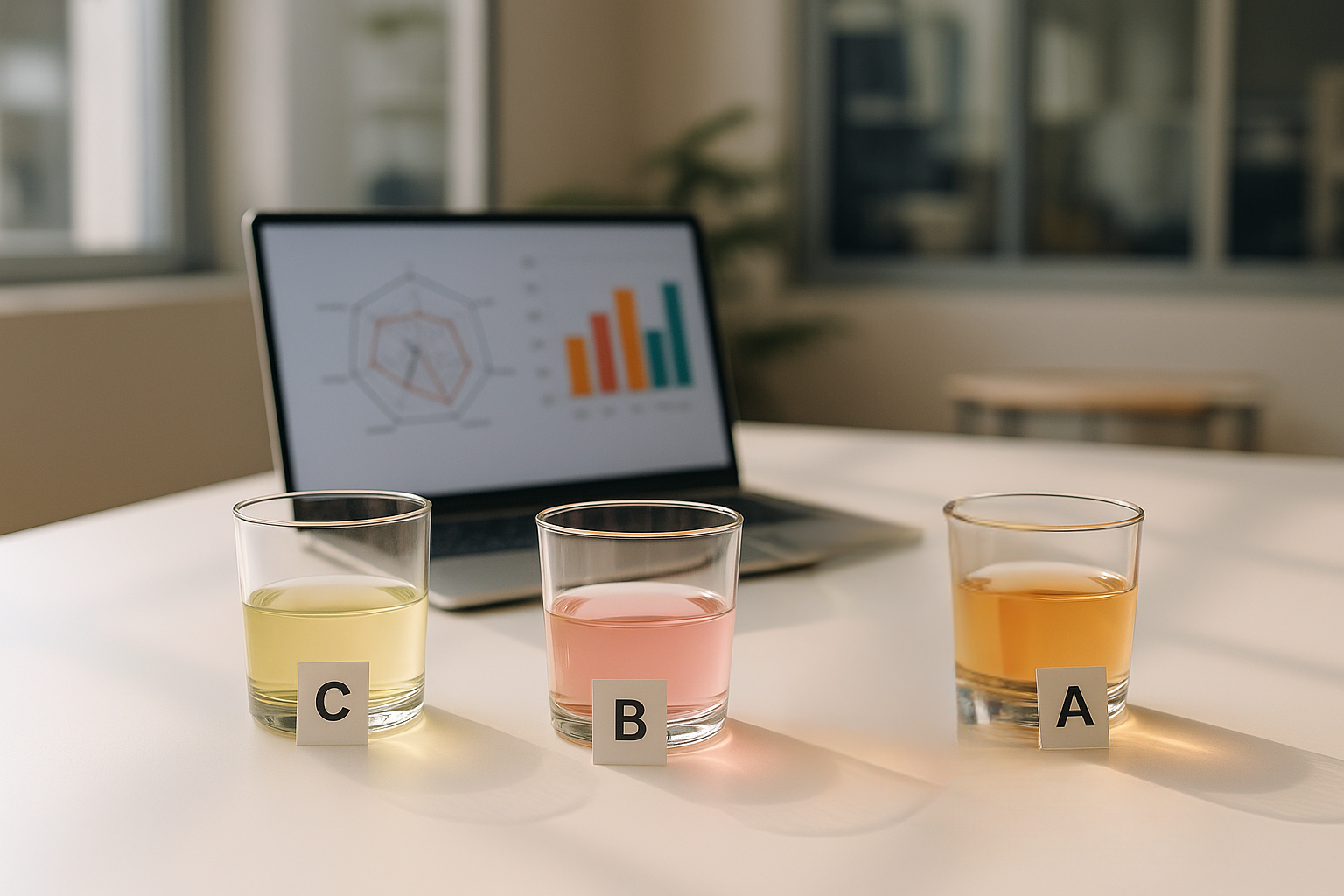
With Sensesbit, a comparative sensory study was deployed to validate the new formula and optimize only what was necessary.
This enabled:
-
Running a sensory profiling test with a trained panel and consumers
-
Evaluating key attributes: sweetness, mouthfeel, intensity, aftertaste, solubility
-
Comparing old vs. new formula under controlled conditions
-
Detecting small differences that required only aroma or sweetness adjustments
-
Visualizing data via attribute maps and correlation with consumer acceptance
The Results
The brand confirmed that the new formula maintained high overall acceptance, although texture and aftertaste showed room for improvement.
They made micro-adjustments without redesigning the whole product, saving time and resources.
-
+14% consumer acceptance after fine-tuning
-
–40% time spent vs. previous reformulation cycles
-
€18,000 saved by avoiding reliance on external sensory labs
-
x3.1 ROI in the first quarter after launch
By validating their innovation with sensory data, the brand strengthened trust, avoided backtracking, and delivered a product that performs on every front.