

The Challenge
In the wine industry, a strong brand or high technical quality doesn't guarantee a meaningful connection with evolving consumer preferences.
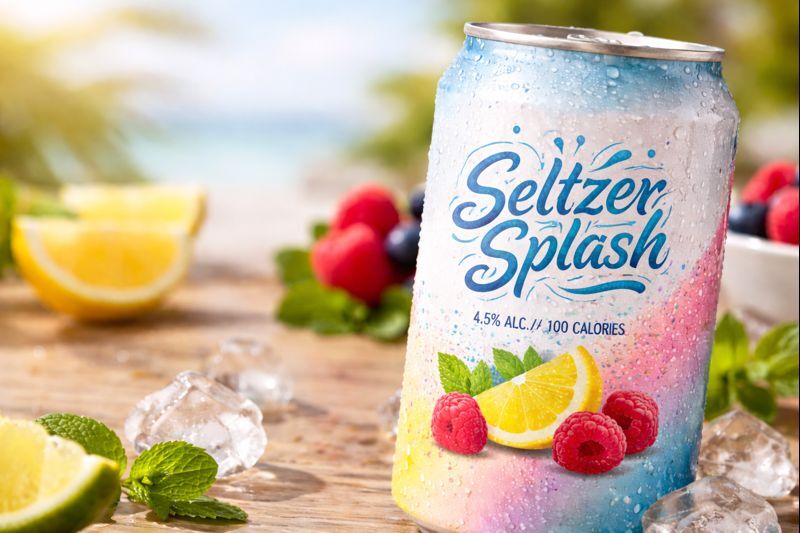
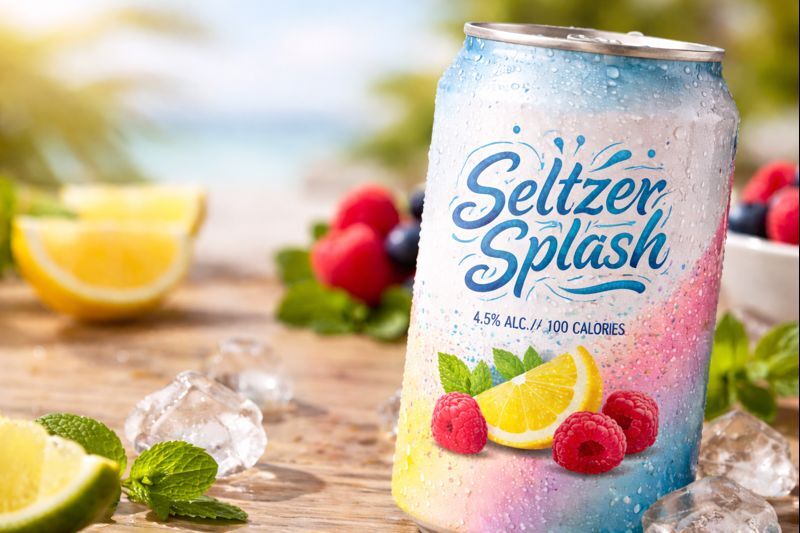
The winery had begun to notice disconnects: lower turnover in urban retail, lukewarm feedback in open tastings, and rising popularity of wines that were less tannic, more fruit-forward, and presented in casual formats like cans or low-alcohol variants.
Although confident in the quality of their product, the team lacked evidence on whether their sensory profile still resonated with today’s younger audience.
They needed a solution that would:
-
Compare their product’s sensory profile with newer market entrants
-
Identify which sensory attributes might be holding back emotional connection
-
Support innovation without compromising the integrity of the traditional wine
-
Justify the development of a new, parallel sensory strategy
The Solution
The team used Sensesbit as their internal tool to design and run a sensory benchmarking test, comparing their young red wine with emerging alternatives on the market.
With the platform, they were able to:
- Easily set up a blind tasting with real consumers aged 25–40
- Capture detailed sensory evaluations on key attributes: sweetness, freshness, acidity, astringency, body, and first impression
- Include contextual questions like: Which one would you bring to a casual dinner?
- Visualize perception and preference trends compared to their current profile
- Generate a clear, actionable report to support internal decision-making
The entire process was managed in-house by the Marketing and Quality teams, without relying on external agencies, and was fully documented for future iterations.