The Challenge
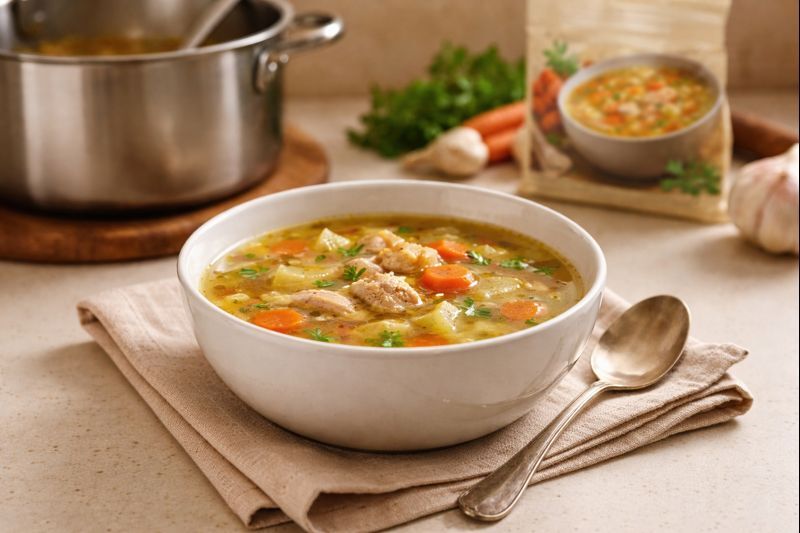
Exporting food isn’t just about translating the label. When it comes to emotionally and culturally rooted products like broth, the real challenge is to preserve its essence without it feeling “off” or artificial to new consumers.
This traditional brand, well established in its home country, was preparing to enter new European and Latin American markets. They wanted to know whether their recipe —balanced, slow-cooked flavor— still conveyed that “homemade” feeling in cultures with different culinary references.
The Solution
An international sensory benchmark was implemented, including:
- Blind preference tests in 3 target countries
- Descriptive sensory profiling to map perceptions of texture, saltiness, aroma, and aftertaste
- Local consumer panels managed through Sensesbit, ensuring comparable data across regions
- Statistical analysis dashboards highlighting deviations and acceptance gaps
- Reformulation sprints using sensory drivers to guide technical improvements per market
- Multi-market dashboards to prioritize changes without altering the product’s DNA
The Results
The analysis uncovered subtle yet important findings: in some markets, the low salt content was perceived as lack of flavor; in others, the roasted aroma typical of the initial sauté wasn’t seen as “homemade” but rather processed.
This allowed the brand to:
- Make selective adjustments per market without changing the base recipe
- Avoid full reformulations or unnecessary relaunches
- Align local claims with cultural expectations
- Strengthen its international value proposition based on real sensory data
The result: a safer expansion with a consistent and culturally adapted sensory experience, all while preserving what makes this broth special — without assuming everyone would perceive it the same way.