Food tech
Why the Same Product Doesn’t Please Every Consumer
There’s no product everyone loves. Learn how sensory analysis turns differences in taste into clear reformulation decisions instead of guesswork.
Two tasters, one beer, two different descriptions. How memory, culture and genetics shape aroma perception, and why sensory panels need a shared language.
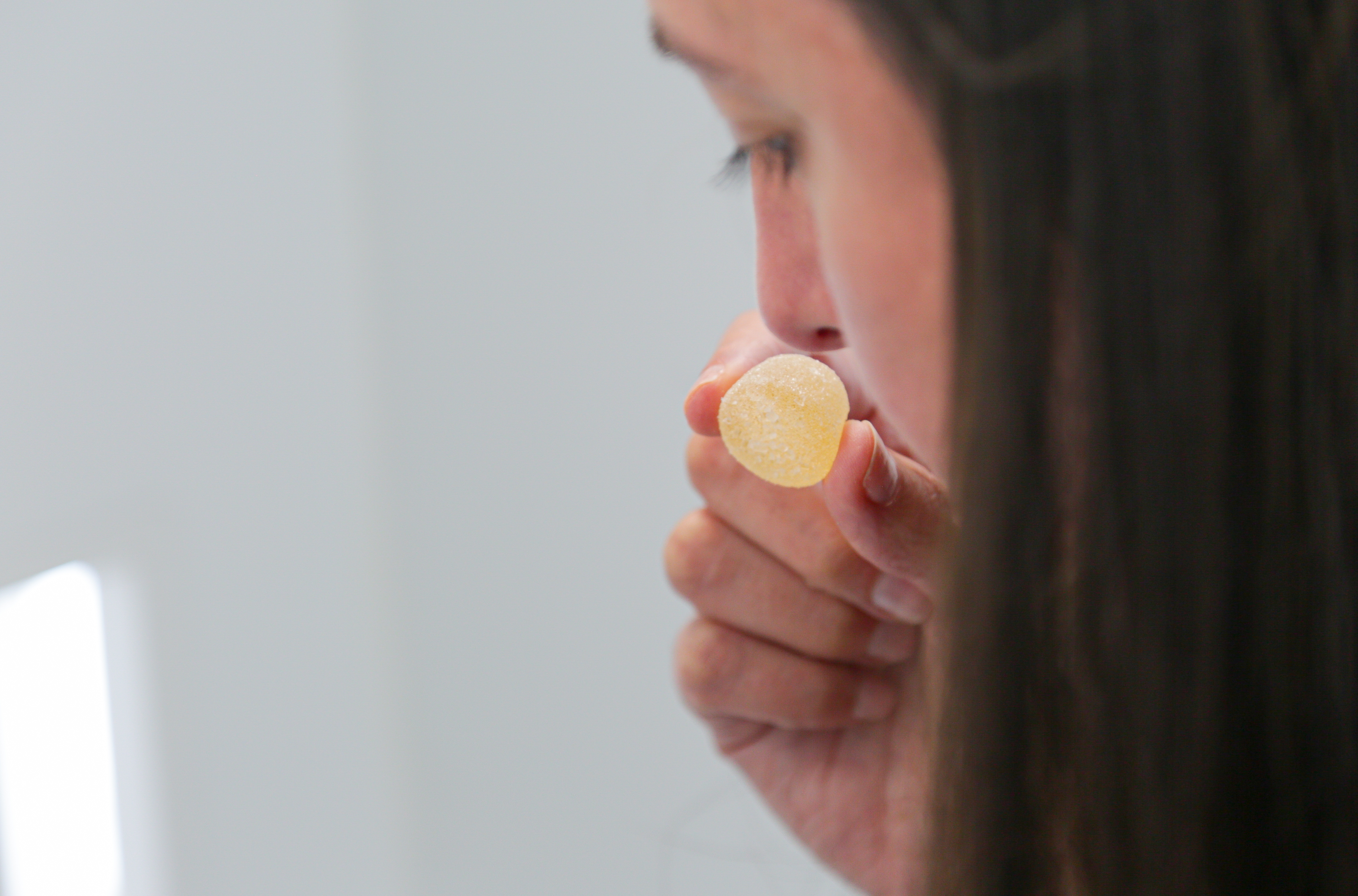
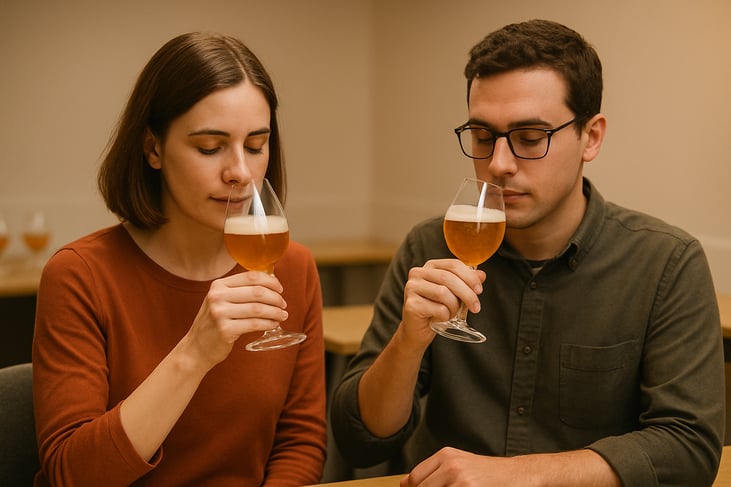
A few days ago, something interesting happened during a tasting. I picked up an aroma and immediately linked it to my childhood breakfasts. The person next to me said it reminded them of corn snacks. Same beer, same ingredients… so how can our perceptions be so different?
The nose may be the entry point for smells, but it’s the brain that actually interprets them. Every time we perceive an aroma, our brain searches its “olfactory library” for something similar. And since everyone has lived different experiences, the associations are unique.
Then there’s genetics. We have hundreds of genes dedicated to detecting smells, and individual variations in those genes affect how we perceive intensity, nuances or even whether certain compounds are there at all. In other words, we don’t all smell exactly the same thing.
Back to the tasting. Two people try the same beer. One says:
— “It smells like breakfast cereal.”
The other replies:
— “To me it’s clearly toasted corn, like corn snacks.”
Both are picking up the same compound, most likely from the malt, but each interprets it through their own personal references. Neither of them is wrong. They’re simply using different frames to read the same signal.
No. Our “olfactory fingerprint” is as personal as our actual fingerprint. What one person calls “breakfast cereal,” another calls “corn snacks.” It all depends on our experiences, culture and memories.
This variability is exactly why sensory analysis relies on trained panels. The goal isn’t to eliminate subjectivity, but to build a shared language that makes it easier to describe, compare and understand a product’s sensory profile.
The way we describe an aroma is shaped by our history, our biology and our experiences. That’s why, in a tasting, the question isn’t who’s right, but what lies behind each perception, and how to build, step by step, a shared vocabulary that helps us communicate better.
Because in the end, aromas aren’t just smelled… they’re remembered, felt and lived.
Aroma perception is at the heart of coffee sensory analysis, where a trained panel picks up the nuances that define the quality of each batch.
Want to see how a sensory panel is structured in Sensesbit?
There’s no product everyone loves. Learn how sensory analysis turns differences in taste into clear reformulation decisions instead of guesswork.
Discover how sensory analysis is shaping the future of food innovation at Food4Future 2025. Join Sensesbit in Bilbao and explore data-driven...
The 9-point scale improves sensory analysis sensitivity and supports reliable decisions, backed by ISO, ASTM and the work of Peryam & Pilgrim.
Join the conversation
Have a question or perspective to share? Leave a comment below.