The Challenge
When developing sugar-free sweetening systems, technical specs alone don’t predict the sensory experience.
Even with the right ingredients (stevia, erythritol, modulators, aromas), achieving a pleasant profile—without metallic aftertaste or lack of mouthfeel—is a complex task.
The R&D team needed a structured way to:
-
Evaluate attributes like sweetness intensity, mouthfeel, roundness, off-notes, and aftertaste
-
Compare variants without relying on informal tastings
-
Select the best-performing option before scaling or sharing with clients
-
Back up their formulations with objective, credible data
-
Reduce back-and-forth during client co-development projects
The Solution
The company integrated Sensesbit into their development process to run structured sensory evaluations with an internal trained panel.
This allowed them to:
-
Define critical sensory attributes for sugar-free systems
-
Design discriminative and profiling tests for each formula
-
Compare each variant and benchmark against a sucrose-based reference
-
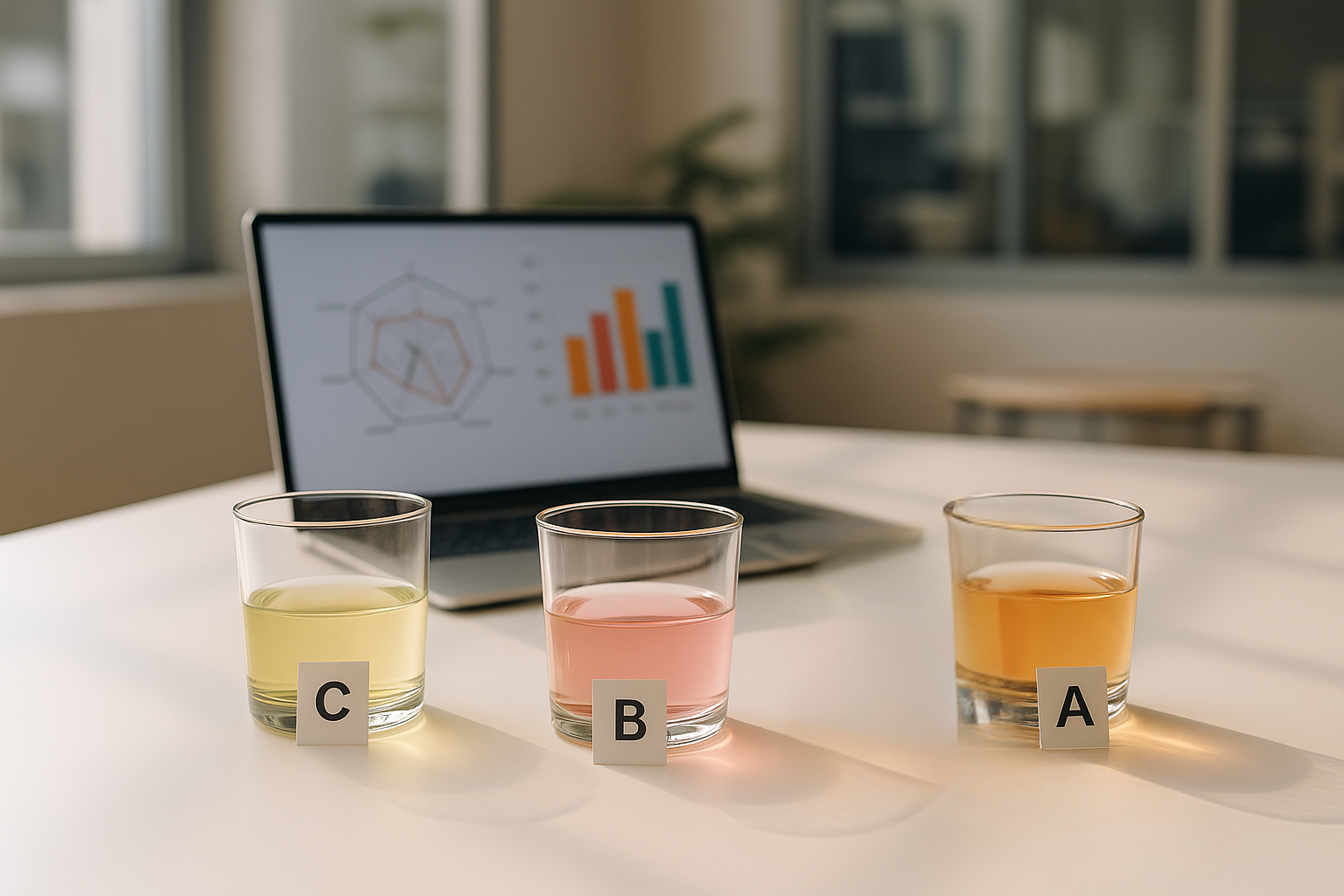
Visualize sensory differences through radar charts and performance maps
-
Document the entire evaluation for client support and commercial use
-
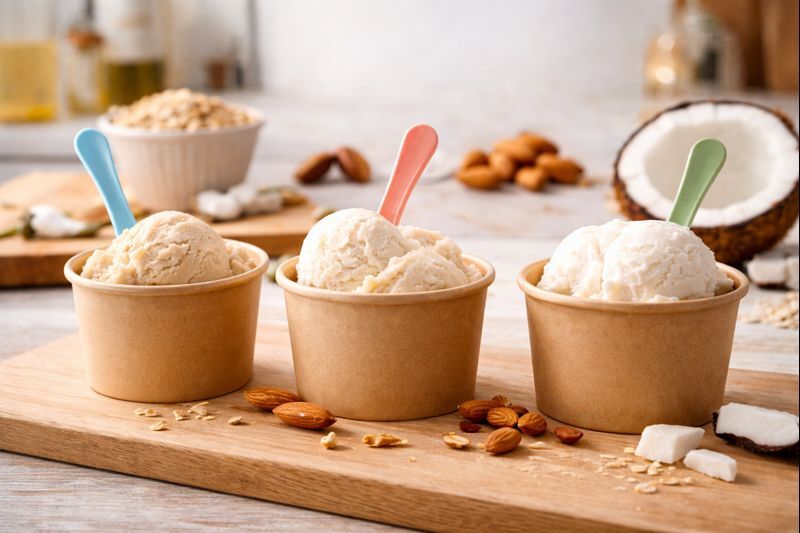
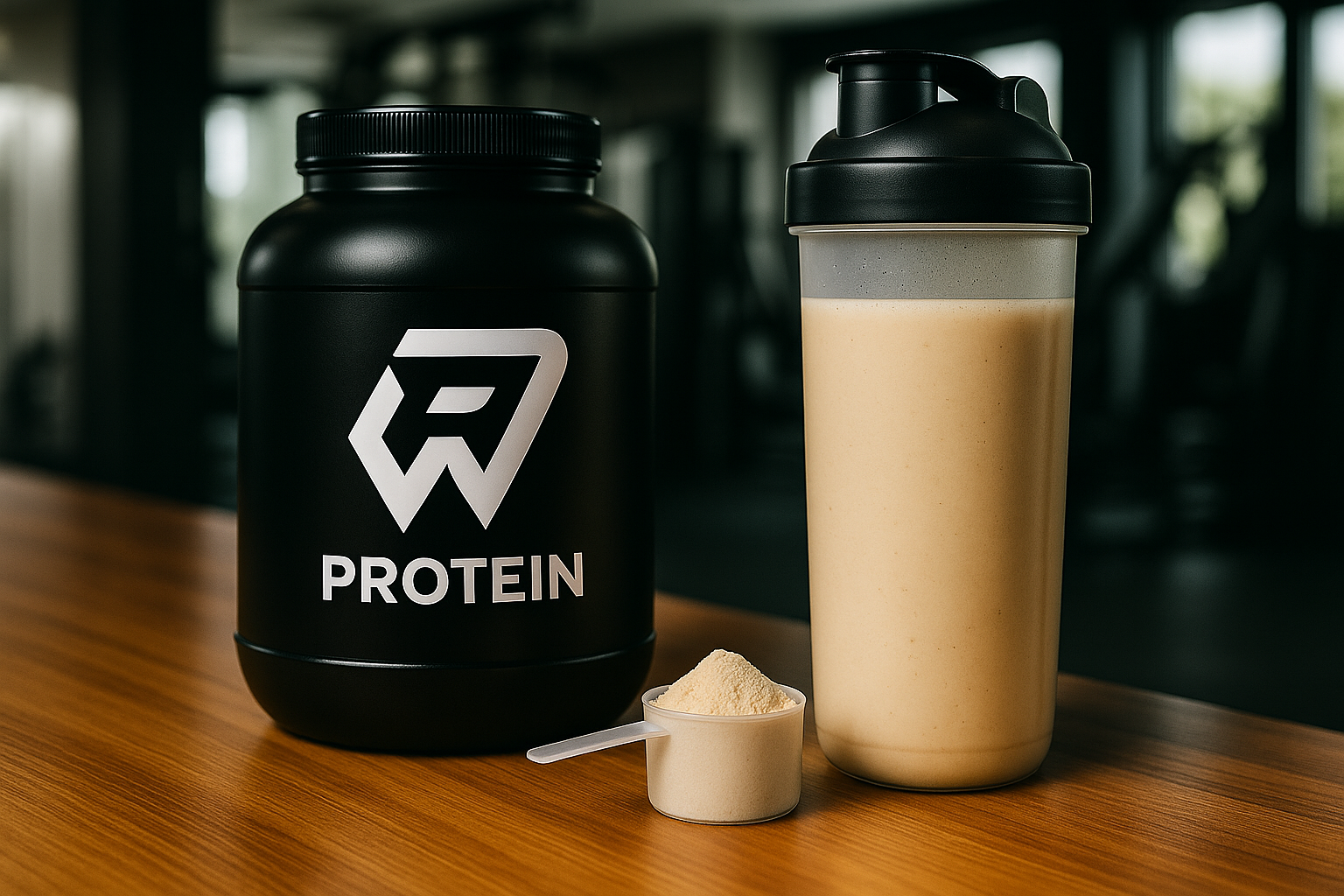
Replicate the same method across 3 functional product categories (beverages, dairy, bars)
The Results
Thanks to this process, the team identified the formula with the cleanest sensory performance before investing in pilot production or client presentations.
They avoided subjective trial-and-error and turned internal evaluations into a reliable, data-driven validation step.
More importantly, they transformed the way they communicate with clients: from “we believe this is the best option” to “here’s why it delivers the experience your consumer expects.”
Sensesbit became a key strategic tool—helping the company position itself not just as an ingredient provider, but as a sensory performance partner.