The Challenge
With rising demand for cleaner labels and fewer additives, many traditional cheesemakers are facing the challenge of preserving perceived quality while removing certain ingredients.
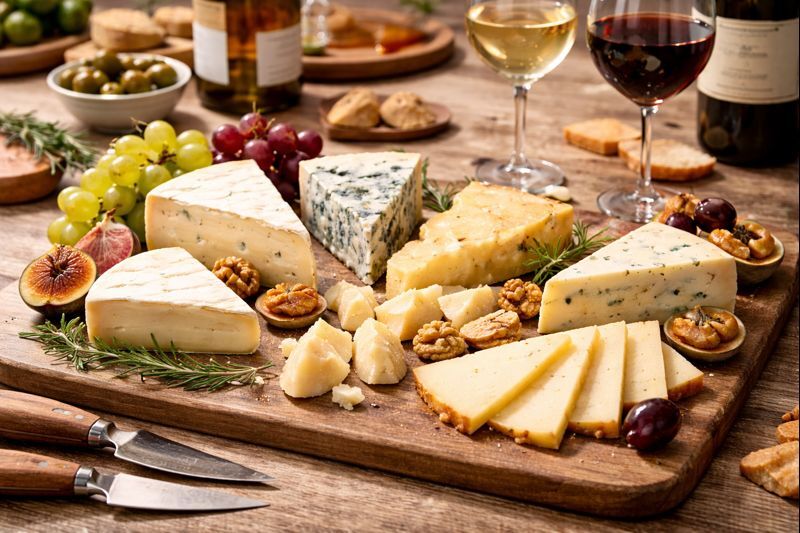
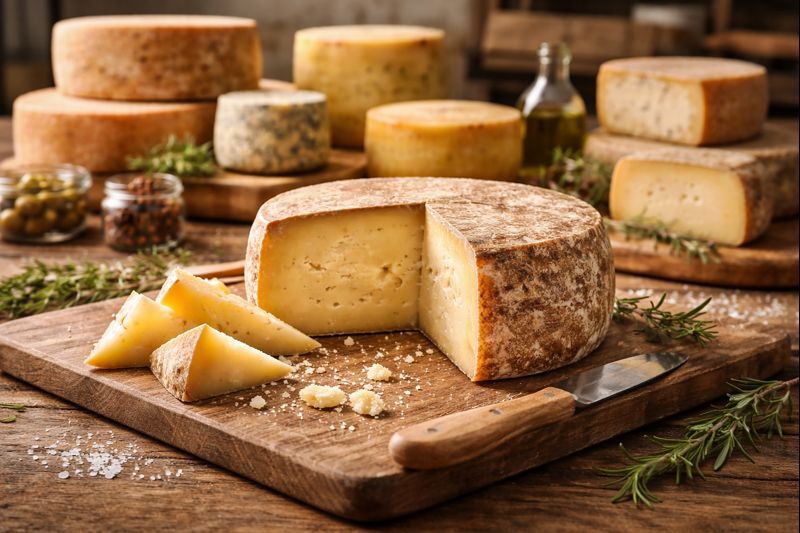
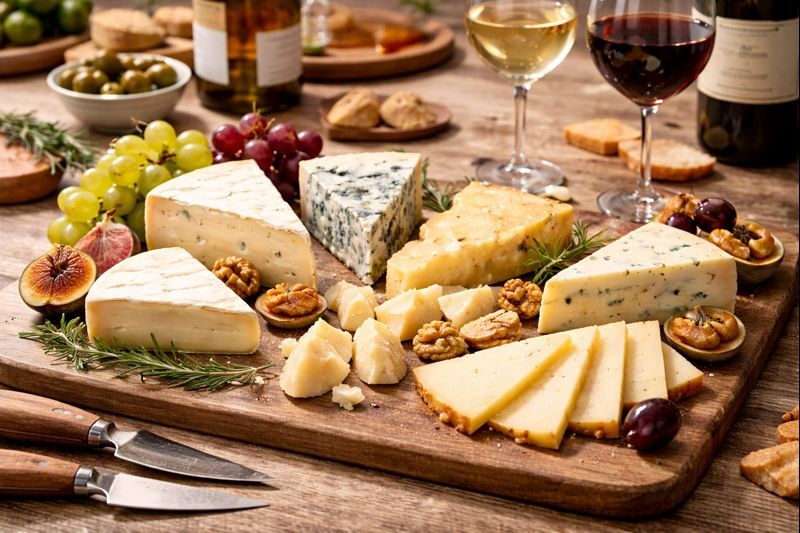
In this case, a company specializing in aged artisan cheeses had to eliminate a traditional preservative to meet the expectations of premium buyers and expand into international clean label markets.
The risk: the final product, while safe and compliant, might no longer taste the same. For a cheese with a strong sensory identity, this meant potentially damaging the brand itself.
The team needed to:
- Validate whether the new formula preserved the expected sensory profile
- Detect any deviations in aroma, texture or aftertaste
- Avoid unnecessary reformulation cycles
- Prevent a loss of internal or professional customer trust
The Solution
A dedicated reformulation sensory validation plan was implemented, including:
- Cross-sensory profiling between the original product and reformulated versions
- Trained internal panel plus verification with expert HoReCa consumers
- Discrimination tests to assess whether differences were detectable
- Comparative dashboards to visualize attribute-by-attribute results
- Automated reporting to support audits and commercial documentation
The Results
The study confirmed that the new formulation maintained the original sensory profile across critical attributes: aroma, intensity, texture, and aftertaste. Minor variations were not impactful on overall perception.
This enabled the team to:
- Save weeks on internal validation and technical discussions
- Communicate changes confidently to key distributors
- Consolidate a clean label strategy without compromising identity
- Strengthen the product's premium positioning for new markets
With Sensesbit, reformulation wasn't a leap into the unknown — it was a controlled, sensory-validated evolution.