
The Challenge
Low-alcohol drinks —such as hard seltzers or mocktails— are booming globally. But their formulation presents unique sensory challenges: lower density, less sweetness, and heavier reliance on aroma.
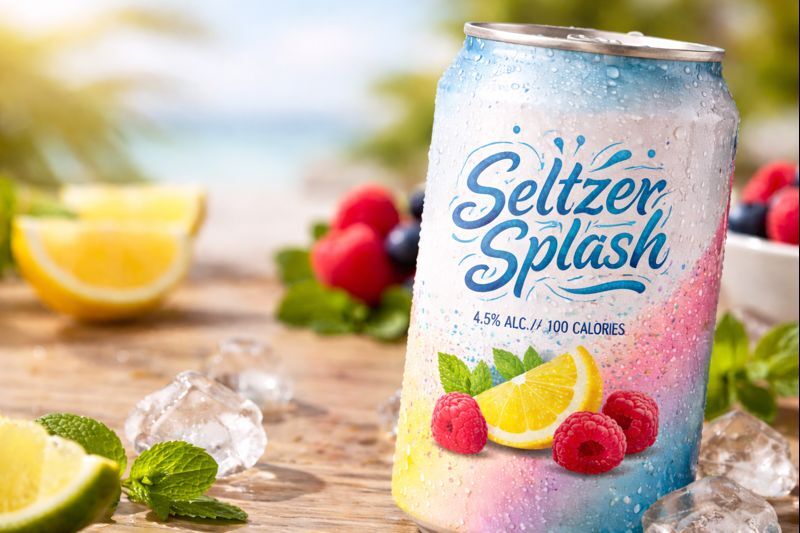
In this case, an R&D team was working on a new range of hard seltzers using a neutral base and natural aromas. While the formulas met technical and regulatory requirements, they failed to deliver a complete experience: consumers perceived them as flat, not refreshing, or with an unpleasant aftertaste.
The challenge was to refine the sensory profile without falling back on shortcuts like added sugar, artificial flavors, or excessive acidity, and to define the key attributes that should guide product evolution.
The Solution
An agile sensory evaluation workflow was implemented for early-stage prototypes:
- Blind comparative testing between formula iterations (base + aroma)
- Evaluations with frequent RTD consumers
- Analysis of key attributes: freshness, clarity, aftertaste, aroma intensity
- Detection of profiles with higher acceptance and less judgment dispersion
- Comparison dashboards in Sensesbit
- Disqualification criteria for low-potential formulas from round one
The Results
Thanks to the platform, the team was able to quickly eliminate weak formulas, narrow down critical sensory variables, and accelerate decision-making.
This enabled them to:
-
Reduce the number of tests needed before market validation
-
Focus development on formulas with high sensory potential
-
Translate results into actionable decisions about flavor and aroma profiles
With an agile sensory analysis system integrated early in development, innovation no longer meant gambling on consumer approval at the end — they arrived with data before the first sip.