The Challenge
The plant-based ice cream segment keeps expanding. However, creating a product without dairy that still delivers the expected creaminess and flavor profile remains a real challenge.
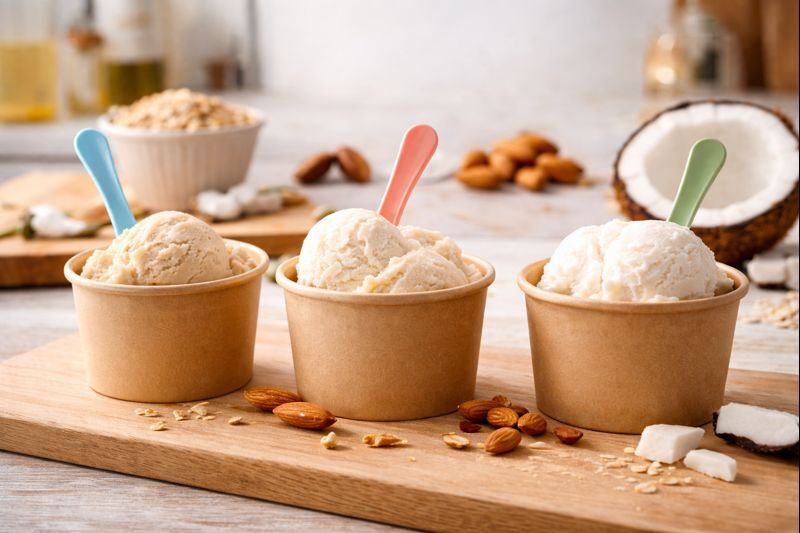
This company, specialized in functional and aromatic solutions for the food industry, was developing different plant-based ice cream bases using ingredients like coconut, oat, and almond. While each option technically met the texture and stability requirements, it was unclear which one offered the best overall sensory experience.
Additionally, given their aim to reach international markets, they needed to ensure the sensory profile was competitive and recognizable when compared to leading plant-based ice creams on the market.
The Solution
To ensure product development aligned with consumer perception, an agile sensory validation protocol was applied:
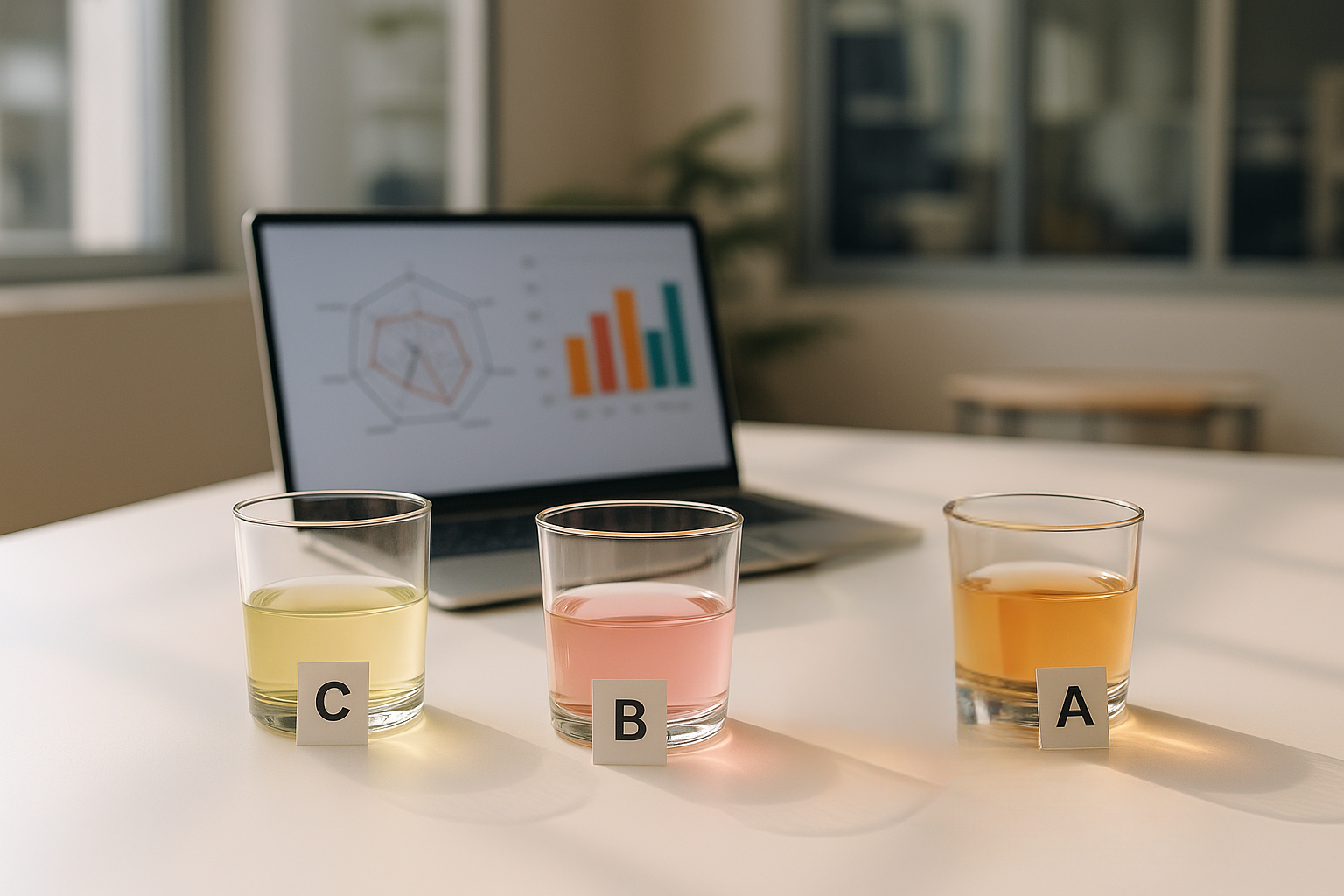
- Blind comparative testing of different bases (coconut, oat, almond)
- Evaluation by regular consumers of the healthy and plant-based ice cream segment
- Sensory profiling based on key attributes: creaminess, aftertaste, intensity of main flavor, mouthfeel clarity
- Comparative visualization of profiles via Sensesbit dashboards
- Identification of the winning formula and refinement of aromatic direction
The Results
The study revealed that the oat base scored highest in perceived creaminess and mouthfeel clarity, while coconut offered more flavor intensity but caused more polarization due to its aftertaste. Almond was appreciated but less competitive in texture.
This allowed the team to:
- Choose the best base from the consumer’s perspective, not just technical performance
- Fine-tune the aromatic profile to reinforce indulgence and “real” flavor
- Optimize the proposal without unnecessary reformulation
- Boost commercial confidence for international clients
With sensory analysis embedded from the early stages, plant-based innovation stopped being a risky bet and became a winning formula.