The Challenge
With the rise of Ready-To-Drink (RTD) products, many brands aim to combine the functional appeal of coffee with plant bases like oat, almond or soy. But this innovation brings a major challenge: how do you deliver a clear, pleasant, and recognizable sensory experience?
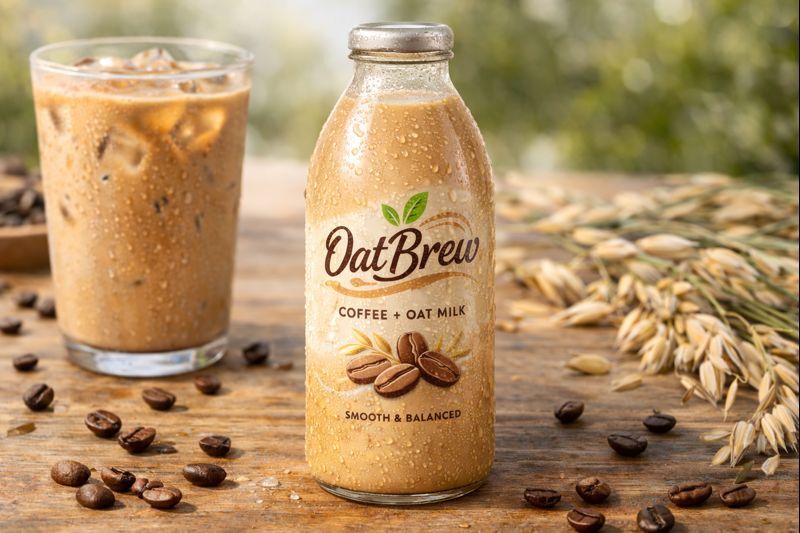
In this case, the R&D team was working on a coffee drink with an oat base. Although the formula met nutritional and technical criteria, consumers described it as confusing: neither “coffee-forward” enough, nor clearly a comforting plant-based drink. The flavor didn’t match the brand promise.
The Solution
A sensory optimization was carried out through:
- Blind preference testing between 4 formula variations (coffee + different plant bases)
- Evaluation by frequent consumers of RTD coffee and plant-based drinks
- Analysis of key attributes: coffee intensity, sweetness, texture, aftertaste, balance
- Identification of sensory profiles most accepted by the target segment
- Visual dashboards and quick rejection criteria for technical and marketing decisions
- Definition of 3 guiding attributes for flavor storytelling and claim development
The Results
The study revealed which sensory attributes created confusion or disconnected from the product promise. It enabled the team to:
-
Reformulate with sensory focus, without compromising nutritional value
-
Better align the brand story with the actual consumer experience
-
Avoid investment in low-traction formulas from the first taste test
-
Optimize costs and speed up technical validation before scaling
With Sensesbit, they achieved a flavor that was clear, believable, and consistent with what the brand stood for — a smooth but unmistakably coffee-forward drink.